Times Now : New York, USA.

⬇️⬇️⬇️⬇️⬇️Translate full page to your Language.

Wednesday, November 6, 2024

The History of H&M, Journey, Evolution and Interesting Facts

H&M logo

Here’s the story behind H&M (Hennes & Mauritz), one of the world’s largest and most recognizable fast-fashion brands.


1. The Beginnings: Hennes (1947)

- Founded by: 

Erling Persson  

- Established: 

1947  

- Location: 

Västerås, Sweden  


H&M started as a women’s clothing store called Hennes, which means "Hers" in Swedish. The founder, Erling Persson, was inspired by his visit to the United States, where he saw efficient and affordable retailing methods. Persson wanted to bring this approach to Sweden, so he opened the first Hennes store, which focused exclusively on women’s apparel.


2. The Addition of Menswear and Name Change (1968)

In 1968, Erling Persson acquired a Stockholm-based hunting and outdoor equipment store called Mauritz Widforss. This acquisition led to the expansion of Hennes into men’s clothing. With this shift, the brand was renamed Hennes & Mauritz (H&M). This rebranding marked H&M’s shift to cater to both men and women, widening its customer base.


3. Expansion Across Europe (1970s-1980s)

During the 1970s and 1980s, H&M began expanding across Europe, opening stores in countries like Denmark, the UK, and Switzerland. H&M’s growth was fueled by its affordable, trend-driven designs that appealed to a wide range of consumers. By focusing on quickly adapting fashion trends at accessible prices, H&M gained a reputation for offering stylish, budget-friendly clothing.


H&M The Evolution


4. The Introduction of Fast Fashion (1990s-2000s)

In the 1990s, H&M became one of the pioneers of fast fashion. Rather than relying solely on seasonal collections, H&M emphasized quick turnover, bringing new styles to stores every few weeks. This rapid production model allowed H&M to offer the latest trends at a fraction of the cost of luxury brands, making fashion more accessible.


During this period, H&M opened stores in the U.S. (2000) and Asia, marking the beginning of its global expansion. H&M’s model also emphasized in-house design, allowing it to oversee every step from design to store placement, which kept costs down and ensured a steady stream of new styles.


5. Designer Collaborations and High-Fashion Partnerships

One of H&M’s groundbreaking strategies was its collaborations with luxury designers. In 2004, H&M launched a collaboration with Karl Lagerfeld, making it the first fast-fashion brand to partner with a high-end designer. This collaboration was a massive success and sold out within hours, proving that consumers wanted affordable luxury.  

Following this success, H&M continued partnering with top designers like:  

- Versace  

- Alexander Wang  

- Balmain  

- Stella McCartney  

- Moschino  

These collaborations blended luxury and affordability, generating excitement and attracting new customers to the brand. They also helped solidify H&M’s image as a brand that keeps fashion current, stylish, and accessible.


6. Sustainability Efforts and Conscious Collection (2000s-Present)

As H&M grew, so did awareness of the environmental impact of fast fashion. In response, H&M began focusing on sustainability, aiming to create more eco-friendly practices. In 2010, H&M launched its Conscious Collection, featuring clothing made from sustainable materials like organic cotton and recycled polyester.

H&M also introduced initiatives like:  

- Garment Recycling Program (2013) : 

Customers can bring old clothing to H&M stores for recycling, helping to reduce textile waste.  

- Sustainable Supply Chain Goals: 

H&M aims to use only sustainable materials by 2030 and reduce its carbon footprint through renewable energy in production.


Despite these initiatives, H&M has faced criticism for the environmental impact of its fast-fashion model, and the brand continues to work on balancing affordability with responsible production.


7. Modernization and E-commerce (2010s-Present)

To keep pace with shifting consumer habits, H&M invested heavily in e-commerce and digital presence. The company has developed online stores in multiple markets and launched mobile apps to reach tech-savvy shoppers.  


The brand has also embraced artificial intelligence to predict fashion trends, manage inventory, and personalize recommendations. This digital shift has been essential for H&M as the retail industry increasingly moves online.


8. Current State and Global Reach

Today, H&M operates in over 75 countries with thousands of stores and continues to be one of the leaders in global fashion. The company has also expanded into multiple sub-brands, including:  

- COS (Collection of Style):

 Minimalist, high-quality fashion  

- & Other Stories: 

Feminine, diverse fashion with a luxury edge  

- Arket: 

Modern, sustainable clothing and home products  

- Monki and Weekday: 

Youthful and trend-driven brands  


These sub-brands target different markets and aesthetics, allowing H&M to reach a broader audience and compete with both fast-fashion brands and more niche designers.


Interesting Facts About H&M

- Initials: 

While the brand started as Hennes (Hers), the addition of Mauritz opened the doors to unisex fashion.  

- Designer Collaborations: 

H&M’s designer collections are often sold out within hours, creating a high level of anticipation and media buzz.  

- Sustainability Goals: 

By 2030, H&M aims to use 100% sustainable materials in all its products.


H&M’s Legacy

H&M’s journey from a small Swedish women’s store to a global fashion giant is a remarkable example of how accessible, trendy clothing can shape the retail world. Although the fast-fashion model has faced scrutiny for its environmental impact, H&M has made strides toward sustainability, continually adapting to meet consumer demands and societal expectations.

Monday, November 4, 2024

The Versace : History, Journey, Evolution and Interesting Facts

versace logo

Here’s the story behind Versace, the luxury Italian fashion house known for its bold designs and iconic Medusa logo.


versace logo previous and present

Previous and Present Versace Logo

The History and Evolution of Versace

1. The Beginnings: Gianni Versace (1978)

- Founder: 

Gianni Versace  

- Founded: 

1978  

- Headquarters: 

Milan, Italy  

Versace was founded by Gianni Versace, a talented designer from Reggio Calabria, Italy. Gianni's mother owned a dressmaking business, sparking his interest in fashion from a young age. In 1972, Gianni moved to Milan, where he worked for several Italian fashion houses before launching his own label.  

In 1978, Gianni debuted the first Versace collection, featuring his innovative, daring, and glamorous style. He quickly gained attention for his bold use of colors, patterns, and luxurious fabrics. Unlike most Italian designers, Gianni combined elements of classical and modern art, creating opulent and provocative designs that celebrated both strength and sensuality.


2. Iconic Elements: 

The Medusa Logo and Bold Aesthetic

Gianni selected Medusa 

-the mythological Gorgon -as the brand’s logo, symbolizing allure, power, and an irresistible charm that leaves a lasting impression. This theme reflected the Versace aesthetic: eye-catching, bold, and confident.  

Versace’s style is marked by:  

- Vivid colors and daring patterns  

- Baroque influences with lavish details  

- Silhouettes that emphasize femininity and glamour  

During the 1980s, Versace became famous for his lavish “supermodel” campaigns, working with stars like Naomi Campbell, Cindy Crawford, and Linda Evangelista. His designs pushed boundaries, combining rock 'n' roll attitude with high fashion, helping to make fashion shows grand spectacles.


3. Versace’s Global Rise and Influence (1980s-1990s)  

Gianni Versace’s popularity surged internationally as he dressed some of the world’s most famous celebrities, including Elton John, Madonna, and Princess Diana. Versace's pieces became symbols of status and luxury, and his designs were often seen on the red carpet.

Notable milestones during this time included:  

- Expansion: 

Versace branched into accessories, fragrances, and even home furnishings.  

- The Versace Mansion: 

Gianni purchased a mansion in Miami, transforming it into an opulent display of his style.  

- The Bond Between Fashion and Celebrity: 

Versace became one of the first designers to treat celebrities as fashion icons, blending celebrity culture with high fashion.  


Versace’s designs epitomized the extravagance of the '80s and '90s, with opulent prints, metallics, and a sense of excess. Gianni’s influence helped define the decade’s aesthetics.


4. Tragic Loss and Continuation (1997)  

On July 15, 1997, tragedy struck when Gianni Versace was murdered outside his Miami mansion. His sudden death shocked the fashion world, and the future of the Versace brand seemed uncertain.  

Following Gianni’s passing, his sister Donatella Versace took over as the brand’s creative head. Despite the immense challenge, Donatella preserved Gianni’s legacy while steering the brand into the 21st century. Under her leadership, Versace retained its core identity -luxury, boldness, and sensuality -but embraced a more modern and accessible style.


5. The Revival and Expansion (2000s-2010s)  

Donatella successfully revitalized Versace, appealing to both loyal fans and a new generation of fashion enthusiasts.

Highlights from this ages include:  

- Collaborations: 

Versace worked with H&M in 2011, offering a high-fashion collection at more accessible prices. This was a pivotal moment that brought Versace to a wider audience.  

- Redefining Red Carpet Style:

Donatella created iconic looks, including the famous green dress worn by Jennifer Lopez at the 2000 Grammy Awards, which brought Versace back to the forefront of pop culture.  

- Expanding Product Lines:

Versace continued to grow its line of accessories, fragrances, and home furnishings, and even launched Versus Versace, a more youthful line.  

The brand also embraced digital media, reaching a younger, fashion-forward audience.


6. Versace in the Modern Ages and Acquisition by Michael Kors (2018-Present) 


In 2018, Michael Kors Holdings (now Capri Holdings Limited) acquired Versace for $2.1 billion. This acquisition aimed to expand Versace globally and maintain its reputation as a luxury powerhouse.

Since then, Donatella has continued to push Versace’s boundaries with new designs that stay true to Gianni’s original vision while appealing to contemporary tastes. The brand’s modern collections continue to reflect its rich heritage, with bold prints, metallics, and seductive silhouettes that remain signature Versace.


Interesting Facts About Versace:

- Medusa Logo: 

The Medusa logo reflects Versace’s powerful and alluring style, capturing the idea of beauty that is both captivating and dangerous.  

- The Miami Mansion: 

Versace’s mansion, Casa Casuarina, is now a luxury hotel, known for its iconic architecture and lavish decor.  

- Influence on Pop Culture:

Versace is often referenced in songs, movies, and popular media, symbolizing luxury and status.  


Versace’s Legacy Today  

Today, Versace continues to be a global symbol of high fashion, merging Italian craftsmanship with bold, distinctive designs. Donatella has preserved Gianni’s legacy while leading Versace into new directions that resonate with modern luxury consumers.


From its beginnings as a small Italian brand to a worldwide luxury icon, Versace’s story is one of artistry, resilience, and cultural impact.

Sunday, October 27, 2024

Discovering Your Element: What Your Birth Year Reveals About You


Five Element picture Fire, Water, Wood and Earth

Five Element


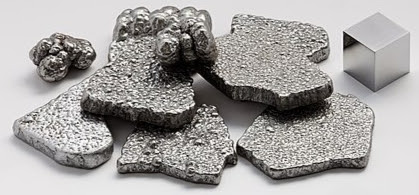
Your birth year carries more meaning than just marking your age. In the Chinese calendar, the last digit of your birth year offers insights into your personality and life path. Each number from 0 to 9 corresponds to one of the five feng shui elements - metal, water, wood, fire, and earth - much like zodiac signs influence your character. These elements shape who you are, influencing your behavior, strengths, and relationships.  


1. Metal Element (Last Digit 0-1) 

If the last digit of your birth year is 0 or 1, you fall under the metal element.  

Key Traits:  

- Strong-willed, independent, and reserved  

- Flexible with good focus, yet value personal space  

- Appear sophisticated but prefer privacy  

You offer help willingly but rarely seek assistance yourself. People respect your ambition, and you work diligently toward success. You enjoy luxury and public recognition but fiercely protect your privacy. 

Challenges:  

- Relationships may be difficult as you can be critical and stubborn.  

- You demand a lot from your partner, expecting unwavering support.


2. Water Element (Last Digit 2-3)  

Water symbolizes adaptability and emotional depth. If your birth year ends in 2 or 3, you are empathetic, creative, and intuitive.  

Key Traits:  

- Charming and skilled at influencing others  

- Sensitive and compassionate, with a calming presence  

You thrive in conversations and have a way of making others feel appreciated and loved. Though you may seem laid-back, you are often quietly in control of your environment.

Challenges:  

- You may struggle with indecision and become easily disheartened.  

- It’s important to ensure others don’t take advantage of your generosity.


3. Wood Element (Last Digit 4-5) 

Wood signifies growth and resilience. If your birth year ends in 4 or 5, you are focused on progress and self-improvement.  

Key Traits:  

- Dynamic, social, and optimistic, even in tough situations  

- A natural decision-maker and organizer  

You value relationships deeply and invest fully in them, both personally and professionally. You prefer enriching experiences and knowledge over material wealth.

Challenges:  

- You tend to overwork and may avoid the spotlight, letting others take credit.  

- Remember, it’s better to stand out than blend into the crowd unnoticed.


4. Fire Element (Last Digit 6-7)  

Fire embodies passion and energy. If your birth year ends in 6 or 7, you are adventurous, bold, and competitive.  

Key Traits:  

- You enjoy challenges and are motivated by success  

- Charismatic, with a flair for seduction and affection  

People are drawn to your vibrant personality and leadership qualities. You’re full of innovative ideas and enjoy being the center of attention.

Challenges:  

- You may be impulsive, quick-tempered, and easily stressed.  

- Learning patience will help you manage your emotions and avoid burnout.


5. Earth Element (Last Digit 8-9)  

Earth symbolizes stability and security. If your birth year ends in 8 or 9, you are dependable, grounded, and cautious.  

Key Traits:  

- Patient, wise, and practical in decision-making  

- Highly responsible, with a knack for advising others  

You excel in business thanks to your logical approach, and you dislike unexpected changes. Loyalty is central to your relationships, and once you trust someone, they become a permanent part of your life.

Challenges:  

- You may rely too much on logic, ignoring your intuition.  

- Letting go of control and embracing change can bring unexpected growth.


Now that you know the element tied to your birth year, explore how it shapes not only your personality but also your relationships and life choices. Understanding these elements can offer a deeper perspective on yourself and those around you!

Saturday, October 26, 2024

The Amazon History, Journey, Evolution and Interesting Facts

Here’s the Amazon History, Journey, Evolution and Interesting Facts about the world’s largest online retailer:


The History and Evolution of Amazon

1. The Beginning (1994-1997)

- Founder: 

Jeff Bezos  

- Founded: 

July 5, 1994  

- Original Name: 

Cadabra, Inc. (but Bezos changed it to “Amazon” after the Amazon River to reflect the company’s vast potential)  

- Headquarters: 

Bellevue, Washington (later Seattle)

Jeff Bezos quit his job on Wall Street to start an online bookstore. His vision was to leverage the internet’s rapid growth to create a retail platform with an endless selection. Amazon initially sold only books because they were easy to ship and store, but Bezos always intended to expand into other categories.

- 1995: 

Amazon’s website launched with the slogan "Earth’s biggest bookstore."

- 1997: 

Amazon went public, raising capital for rapid growth.


2. Expansion into "Everything" (1998-2004)

After its initial success with books, Amazon began expanding into new categories, including music, DVDs, electronics, and toys. Bezos wanted to turn Amazon into an “everything store” where customers could find nearly anything they needed. 

- 1999: 

Time magazine named Jeff Bezos “Person of the Year” for transforming e-commerce.  

- Introduction of 1-Click Ordering: 

A patented feature that simplified online shopping, making it even easier to buy products.  

- Marketplace: 

Amazon launched third-party seller services, allowing other businesses to sell products through its platform, which helped expand its inventory without holding more stock.

By the early 2000s, Amazon was no longer just a retailer but a tech-driven logistics and marketplace leader.


3. Amazon Web Services (AWS) and Innovation (2006-2010) 

In 2006, Amazon revolutionized the tech world by launching Amazon Web Services (AWS), providing cloud computing infrastructure to businesses. Today, AWS is a critical part of the internet’s backbone and one of Amazon’s most profitable divisions.

Amazon also introduced several new programs and products:  

- 2005: 

Launched Amazon Prime, a subscription service offering free two-day shipping. This created customer loyalty and boosted sales.  

- 2007: 

Released the Kindle, an e-reader that changed the way people consumed books. Kindle was a massive success and solidified Amazon’s presence in the digital content space.


4. Rapid Growth and Acquisitions (2010-2016) 

Amazon aggressively expanded into new markets and acquired several companies to strengthen its ecosystem.

- Acquisitions:  

   - 2014: 

Acquired Twitch, a live-streaming platform, now a leader in gaming streams.  

   - 2017: 

Bought Whole Foods Market for $13.7 billion, marking a significant move into the physical retail and grocery industry.  

- Amazon Prime Video: 

Amazon expanded into entertainment by producing original content and competing with streaming giants like Netflix.  

- Alexa and Echo (2014): 

Amazon launched smart speakers with Alexa, an AI assistant that became a popular household device, marking Amazon’s entry into smart home technology.


5. Challenges and Market Dominance (2017-Present)  

By the late 2010s, Amazon dominated e-commerce, cloud computing (AWS), and logistics, but the company also faced criticism. 

- Labor Practices: 

Amazon was criticized for warehouse conditions and employee wages, leading to strikes and protests.  

- Antitrust Scrutiny: 

As Amazon became one of the world’s largest companies, governments began investigating it for anti-competitive practices.  

- COVID-19 Boom: 

During the pandemic in 2020, Amazon experienced explosive growth as people turned to online shopping for essential goods and groceries.

To meet increased demand, Amazon expanded its warehouses and delivery services, introduced same-day delivery in some areas, and hired hundreds of thousands of new employees.


6. Amazon Today

As of 2024, Amazon operates in more than 20 countries with millions of customers worldwide. Its core businesses include:  

- E-commerce: 

Selling everything from books to furniture.  

- AWS: 

Dominating the cloud computing market.  

- Amazon Prime: 

Offering streaming services, free shipping, and exclusive deals.  

- Logistics and Delivery: 

Expanding its drone delivery and Amazon Air cargo services.  


Interesting Facts about Amazon  

- Bezos’s Desk: 

Jeff Bezos famously used a door as a desk in the company’s early days to emphasize frugality.  

- Prime Day: 

Amazon introduced Prime Day, an annual shopping event with huge discounts, driving massive sales.  

- AI and Robotics: 

Amazon employs thousands of robots in its warehouses to improve efficiency.  

- Wealth: 

Jeff Bezos became one of the world’s richest people, with Amazon reaching a trillion-dollar valuation.


Amazon’s Impact on Retail and Technology  

Amazon changed how people shop, disrupting brick-and-mortar stores and leading to the “retail apocalypse” as many traditional retailers struggled to compete. It also transformed cloud computing, media, and supply chains through continuous innovation. 


From a small online bookstore to one of the most influential companies in the world, Amazon’s story is one of ambition, innovation, and relentless growth.

Thursday, October 24, 2024

The Costco History, Journey, Evolution and Interesting Facts

costco logo at outside costco retails building with american flag standing upper at roof
Here’s the history, journey, evolution and interesting facts about Costco, one of the biggest retail warehouse clubs in the world.


The History and Evolution of Costco


1. The Beginning: 

Price Club (1976)

- Founders: 

Sol Price and his son, Robert Price  

- First Location: 

San Diego, California  

Before Costco, there was Price Club, the first membership-based wholesale warehouse. It began in 1976, operating out of an old airplane hangar, offering products in bulk at low prices to small businesses. The Prices soon realized that non-business members - ordinary consumers - also wanted access to these bulk deals. This laid the foundation for a new retail model.


2. The Birth of Costco (1983)

- Founders: 

Jim Sinegal and Jeffrey Brotman  

- First Location: 

Seattle, Washington  

Costco opened its first store in 1983. Jim Sinegal, who had worked under Sol Price at Price Club, brought deep expertise in wholesale and retail. Costco aimed to offer a no-frills shopping experience, focusing on low overhead and selling products in large quantities to both businesses and individuals.  

From the beginning, Costco emphasized:  

- Membership Model: 

Charging customers a membership fee for access to the store.  

- Limited Selection: 

Fewer items (compared to other retailers) but in bulk, ensuring better deals.  

- High-Quality Products: 

Costco started offering premium goods, including Kirkland Signature, its private-label brand.


3. Merger with Price Club (1993)  

In 1993, Costco merged with Price Club to become PriceCostco. The merger allowed them to scale their operations and enter new markets quickly. However, in 1997, the company streamlined and changed its name back to Costco Wholesale Corporation.  

This period saw Costco expand aggressively across the U.S. and Canada, developing its reputation for selling everything from electronics and groceries to luxury items all at competitive prices.


4. Rapid Growth and Innovations in the 2000s  

Costco continued to grow throughout the 2000s by:  

- Expanding globally: 

Opening stores in countries like Mexico, the UK, Japan, South Korea, Australia, and China.  

- Launching services beyond retail: 

Including gas stations, travel services, and pharmacies.  

- Growing Kirkland Signature: 

This in-house brand became synonymous with high-quality goods at low prices, covering everything from olive oil to wine and clothing.  

By 2005, Costco was one of the largest wholesale clubs in the world, competing primarily with Sam's Club (a Walmart subsidiary).


5. Costco’s Core Business Model  

Costco’s model is unique in several ways:  

- Membership Fees: 

Members pay an annual fee (Standard or Executive) to shop at Costco, ensuring consistent revenue.  

- No-Frills Shopping Environment: 

Minimal advertising and simple warehouse-style stores keep operational costs low.  

- Limited Markup: 

Costco caps its profit margin at 14% on most items, ensuring that members always get value for their money.

- Treasure Hunt Experience: 

Some items are only available for a limited time, encouraging impulse buying.


6. The 2010s: Expanding the Brand  

Costco embraced new technologies and responded to market trends by:  

- Expanding Online Sales: 

Launched Costco.com to reach a broader audience.  

- Entering the Organic Market: 

Began selling more organic foods to meet consumer demand.  

- Offering New Services: 

Costco extended its portfolio to include health insurance, optical services, and even auto-buying programs.  


The Kirkland Signature brand became a key driver of growth, representing around 25% of Costco’s total sales by the late 2010s.


7. The 2020s: Adapting to Change  

Costco successfully navigated the challenges posed by the COVID-19 pandemic by:  

- Expanding delivery options through partnerships with Instacart and other platforms.  

- Improving e-commerce services to cater to increased online demand.  

- Focusing on essential goods during supply chain disruptions, keeping loyal customers coming back.  


In 2020, Costco opened its first store in China, which became an instant hit, with shoppers flooding the store on opening day. Today, Costco operates in over 14 countries with more than 850 warehouses.


Interesting Facts About Costco  

- Hot Dog Combo: 

Costco famously sells a $1.50 hot dog and soda combo, and the price hasn’t changed since 1985.  

- Kirkland Signature Brand: 

This in-house brand offers products often manufactured by well-known companies but at a fraction of the price.  

- High Employee Satisfaction: 

Costco is known for paying higher wages and offering better benefits than most retail stores.  

- Limited Advertising: 

Costco relies primarily on word-of-mouth marketing and loyalty from its members.  

- Diamonds and Caskets: 

Costco sells high-end products like engagement rings and even coffins!


Costco Today  

As of 2024, Costco remains a leader in warehouse retail, with millions of loyal members worldwide. Its focus on quality, low prices, and customer satisfaction keeps it at the top of the wholesale industry. The company continues to innovate by integrating technology, expanding its services, and maintaining a strong reputation for value and reliability.


Costco’s Journey - from a small warehouse club to a global retail powerhouse - illustrates how a commitment to quality, low prices, and customer trust can build lasting success.